Our experts combine on-site audits with advanced simulations to analyze your drying process – identifying clear paths to higher speed, better quality, and energy savings.
Turning data into smarter drying, higher quality, and energy savings.
At Ircon-Solaronics, we engineer with purpose, creating systems that not only meet industry standards but also connect every stage of the production process – from design to disposal. By integrating sustainability into every link in the chain, we complete the cycle, reducing emissions, optimizing resources, and delivering lasting impact for industries worldwide.
Information We Gather
To capture the full picture, we combine data from live process measurements with insights from DCS/QCS systems, operator interviews, and customer input.
Temperature measurements along the drying/curing arch.
Coating data (amount of coating, type of coating, specific problem encountered).
Process data (speeds, weight, moisture).
Analysis of combustion products for combustion evaluation and optimisation.
Air speeds and air flows.
Energy consumption (measurements, evaluation, consumption data).
Drying, Heating & Curing Simulations
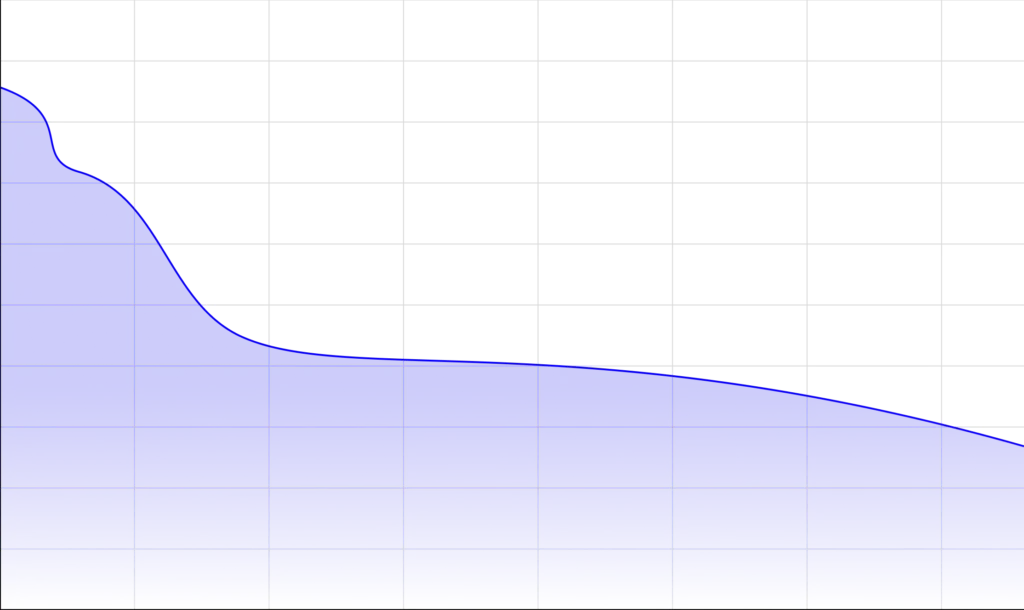
To design the right system or upgrade, you need a clear picture of your current process. Our in-house simulation tools model infrared, air, and steam-based equipment and simulate everything from coating to final drying. By mapping temperature, moisture, and solids at every stage, we can pinpoint critical thresholds and predict how changes in setup or process will affect performance. Accurate, adaptable, and proven across paper, metal, and more.
Simulations help evaluate both existing and future setups by visualizing critical points like gelation, evaporation, and temperature thresholds along the drying path.
Flow Simulation & Analysis
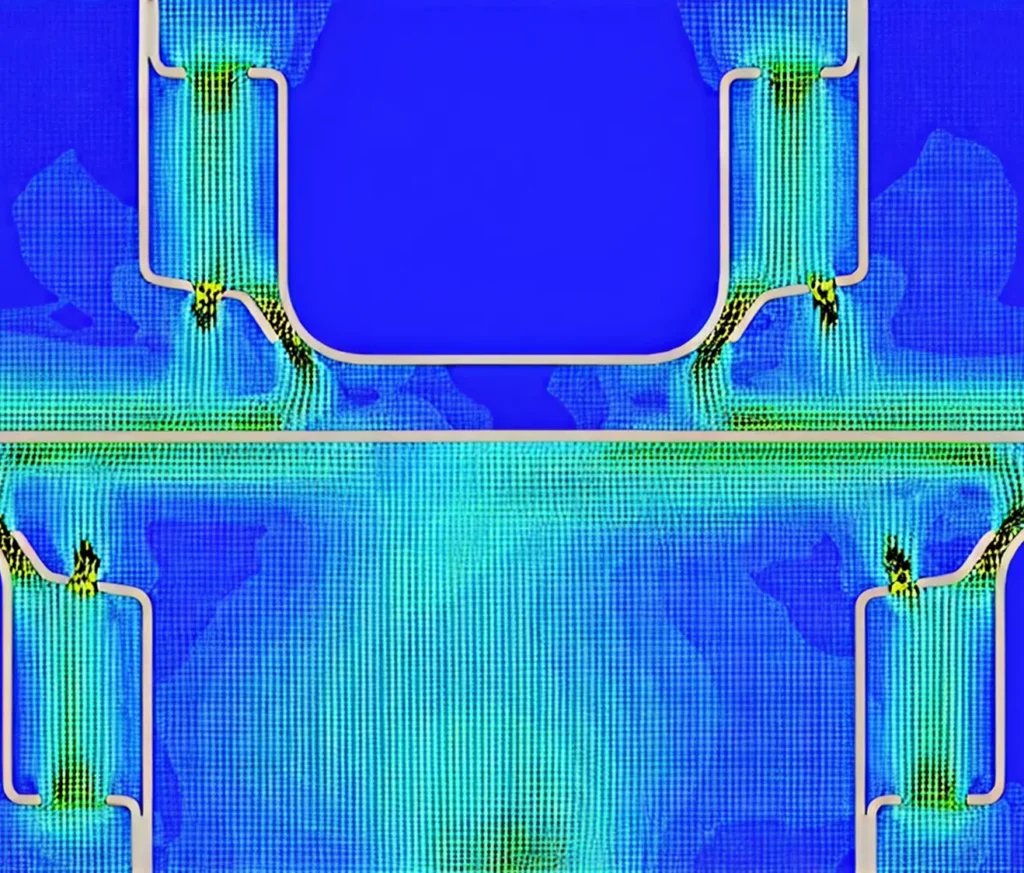
Accurate airflow is essential to drying performance. Our team uses 3D flow and heat transfer simulations to visualize air velocity, pressure distribution, and heat exchange in and around air nozzles. These virtual models help us fine-tune dryer design – minimizing physical testing, optimizing airflow balance, and accelerating development. Simulations also support better thermal uniformity, reduced energy losses, and more stable performance in demanding production environments.